

Introduction
In today’s competitive online environment, on-page SEO in digital marketing is more than just running ads or posting on social media. Indeed, it requires a strong foundation that ensures your website is visible, relevant, and valuable to users. One of the most powerful elements behind successful digital marketing campaigns is optimizing your web pages effectively through on-page SEO.
On-page SEO is not just about inserting keywords into content. Rather, it involves optimizing every element of your website to improve search engine visibility, enhance user experience, and increase conversions. When implemented correctly, effective page optimization strengthens overall digital marketing performance.
What Is On-Page SEO in Digital Marketing?
On-page SEO refers to the practice of optimizing individual web pages to rank higher in search engines and attract relevant traffic. Unlike off-page SEO, which focuses on backlinks and external signals, on-page SEO deals with elements within your website.
Key components include:
- Title tags
- Meta descriptions
- Header tags (H1, H2, H3)
- URL structure
- Keyword placement
- Internal linking
- Image optimization
- Page speed and mobile responsiveness
Together, these elements help search engines understand your content while improving the user experience.
Why On-Page SEO Is Essential in Digital Marketing
Digital marketing includes multiple channels such as social media, email marketing, paid advertising, and content marketing. However, without proper on-page optimization, your website may fail to convert traffic into results.
Consequently, here’s how on-page SEO strengthens your digital marketing strategy:
1. Improves Search Engine Visibility
When pages use relevant keywords, clear headings, and optimized meta tags, search engines better understand the content, therefore increasing the chances of higher rankings.
As a result, higher rankings lead to more organic traffic, which is one of the most cost-effective digital marketing channels.
2. Enhances User Experience
Modern SEO focuses not only on search engines but also on users. Specifically, proper formatting, fast-loading pages, mobile optimization, and clear navigation help visitors find information quickly.
Overall, a positive user experience reduces bounce rates and increases time spent on site, both of which are important for marketing success.
3. Strengthens Content Marketing Efforts
Content marketing and on-page SEO work together. Even high-quality content may underperform if not optimized properly.
By using strategic keyword placement, structured headings, and internal links, content becomes more discoverable and authoritative. Consequently, this enhances blog performance, landing page conversions, and website engagement.
In other words, on-page SEO ensures your content reaches the right audience at the right time.
4. Supports Paid Advertising Campaigns
Landing page optimization is crucial for paid ads. Otherwise, if traffic lands on a poorly optimized page, conversions decline.
On-page SEO improves load speed, content clarity, call-to-action visibility, and mobile responsiveness. Therefore, this increases ad Quality Score and conversion rates.
5. Boost Organic Traffic with On-Page SEO in Digital Marketing
One of the biggest advantages of on-page SEO is sustainable growth. Unlike paid campaigns, which stop generating traffic once the budget runs out, optimized pages continue attracting visitors over time.
Hence, by targeting relevant keywords and aligning content with search intent, businesses can build long-term organic visibility.
Key On-Page SEO Techniques That Strengthen Digital Marketing
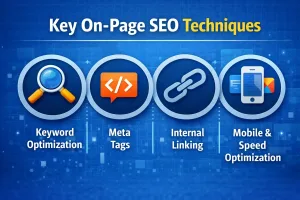
To fully leverage on-page SEO, focus on these techniques:
Keyword Optimization in On-Page SEO for Digital Marketing
Use primary and secondary keywords naturally in:
- Title tag
- Meta description
- Headings
- First 100 words
- Throughout the content
However, avoid keyword stuffing and focus on relevance and readability.
Optimized Title Tags and Meta Descriptions
Your title tag should be clear, compelling, and include the main keyword. Meta descriptions should summarize the page and encourage users to click. As a result, these elements directly impact click-through rates from search results.
Proper Header Structure
Using H1, H2, and H3 tags improves content organization. Consequently, it makes your content easier to read and helps search engines understand page structure. Ultimately, clear headings improve both SEO and user engagement.
Internal Linking
Linking to related pages strengthens your website structure and distributes authority across pages. Additionally, it keeps users engaged longer. Internal linking supports overall digital marketing performance by improving navigation and page visibility.
Image Optimization
Images should include descriptive file names and alt text. Moreover, optimized images improve accessibility and help pages rank in image search results.
Mobile Optimization and Page Speed
With mobile-first indexing, responsive design is no longer optional. Furthermore, fast-loading, mobile-friendly pages significantly impact search rankings and user experience.
Skills Needed for On-Page SEO
- Keyword research skills
- Content writing skills
- Basic HTML knowledge (H1, meta tags, alt text)
- Understanding of search intent
- SEO tools knowledge (Google Search Console, Ahrefs, etc.)
- Analytical thinking
Together, these skills help ensure successful on-page SEO implementation.
Common On-Page SEO Mistakes to Avoid
Even small mistakes can weaken your digital marketing efforts:
- Keyword stuffing
- Duplicate content
- Missing meta descriptions
- Poor URL structure
- Slow-loading pages
- Ignoring mobile optimization
Therefore, avoiding these issues ensures your SEO strategy remains effective.
The Risks of Over-Optimizing On-Page SEO in Digital Marketing
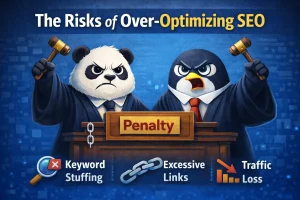
While on-page SEO is essential for improving visibility, over-optimization can seriously harm your website’s performance. Specifically, practices such as keyword stuffing, excessive internal linking, and overusing exact-match anchor text can make your content appear unnatural and spammy.
Additionally, these tactics may be negatively affected by google algorithm updates, such as Google Panda and Penguin, resulting in traffic loss and reduced visibility.
In summary, optimization should enhance content, not overpower it. Focusing on relevance, clarity, and user satisfaction ensures long-term digital growth without risking penalties.
The Bigger Picture: On-Page SEO and Digital Marketing Success
On-page SEO is not a separate strategy; rather, it is the backbone of digital marketing performance.
It enhances:
- Content marketing
- Social media campaigns
- Paid advertising
- Lead generation
- Brand visibility
Consequently, when your website is optimized properly, every digital marketing effort becomes more effective.
Digital Marketing Success = Strong On-Page SEO = Keyword Optimization + Content Excellence + Structured Formatting + User Satisfaction
The Future of On-Page SEO in Digital Marketing
As digital marketing continues to evolve, on-page SEO is also becoming more sophisticated. Looking ahead, businesses need to focus not only on traditional optimization techniques but also on emerging trends that influence search engine visibility and user engagement.
1. AI-Powered Content Optimization
With AI tools like GPT and advanced SEO platforms, content can be optimized more intelligently. For example, AI can suggest semantic keywords, optimize readability, and even predict user intent, helping websites rank higher with more relevant content.
2. Voice Search Optimization

The rise of smart assistants like Alexa, Siri, and Google Assistant means that voice search is increasingly important. Consequently, on-page SEO strategies will need to focus on natural language, long-tail keywords, and FAQ content to capture voice-driven queries.
3. Core Web Vitals and Page Experience
Google is placing more emphasis on page experience, including metrics like loading speed, interactivity, and visual stability. Therefore, websites must prioritize fast, mobile-friendly pages with smooth navigation to maintain high rankings.
4. Structured Data & Rich Snippets
Structured data, schema markup, and rich snippets are becoming crucial for visibility in search results. By implementing these, businesses can improve click-through rates and enhance search presence beyond traditional blue links.
5. Personalized & Contextual Content
Search engines are evolving to show results tailored to individual users. As a result, on-page SEO will increasingly involve creating personalized, context-aware content that aligns with user behavior, preferences, and location.
In summary, the future of on-page SEO is driven by AI, voice, user experience, structured data, and personalization. Businesses that embrace these trends early will have a significant competitive advantage in digital marketing.
Conclusion
In conclusion, on-page SEO in Digital Marketing strengthens your online presence by improving visibility, enhancing user experience, and driving sustainable organic growth. Indeed, it ensures that your website is structured, optimized, and aligned with search intent. Businesses that invest in strong on-page SEO build a solid foundation for long-term digital success. Proper on-page SEO also enhances ranking potential by making content more accessible, relevant, and easier for search engines to interpret. Ultimately, in a competitive digital landscape, optimization is not optional; it is essential.